
Muse S Athena: Can Brain-Sensing Technology Help You Meditate Better?
Discover how neuroscience and meditation are coming together to help us understand our minds using Muse S Athena.
For thousands of years, people have practised meditation in pursuit of inner peace, greater awareness, and a deeper understanding of themselves.
But meditation presents an interesting challenge.
How do you know whether you’re making progress?
You can sit quietly, close your eyes, and concentrate on your breathing. Yet your thoughts may wander from tomorrow’s appointments to yesterday’s conversations.
Are you meditating successfully, or simply sitting with your eyes closed?
Traditionally, the answer has depended largely on personal experience.
Today, technology offers another possibility.
Imagine wearing a comfortable headband that monitors aspects of your brain activity while you meditate. As your attention wanders, gentle feedback helps you recognize the difference between a busy mind and a more settled one.
This is the idea behind Muse, a family of brain-sensing headbands developed by Canadian neuroscience technology company InteraXon.
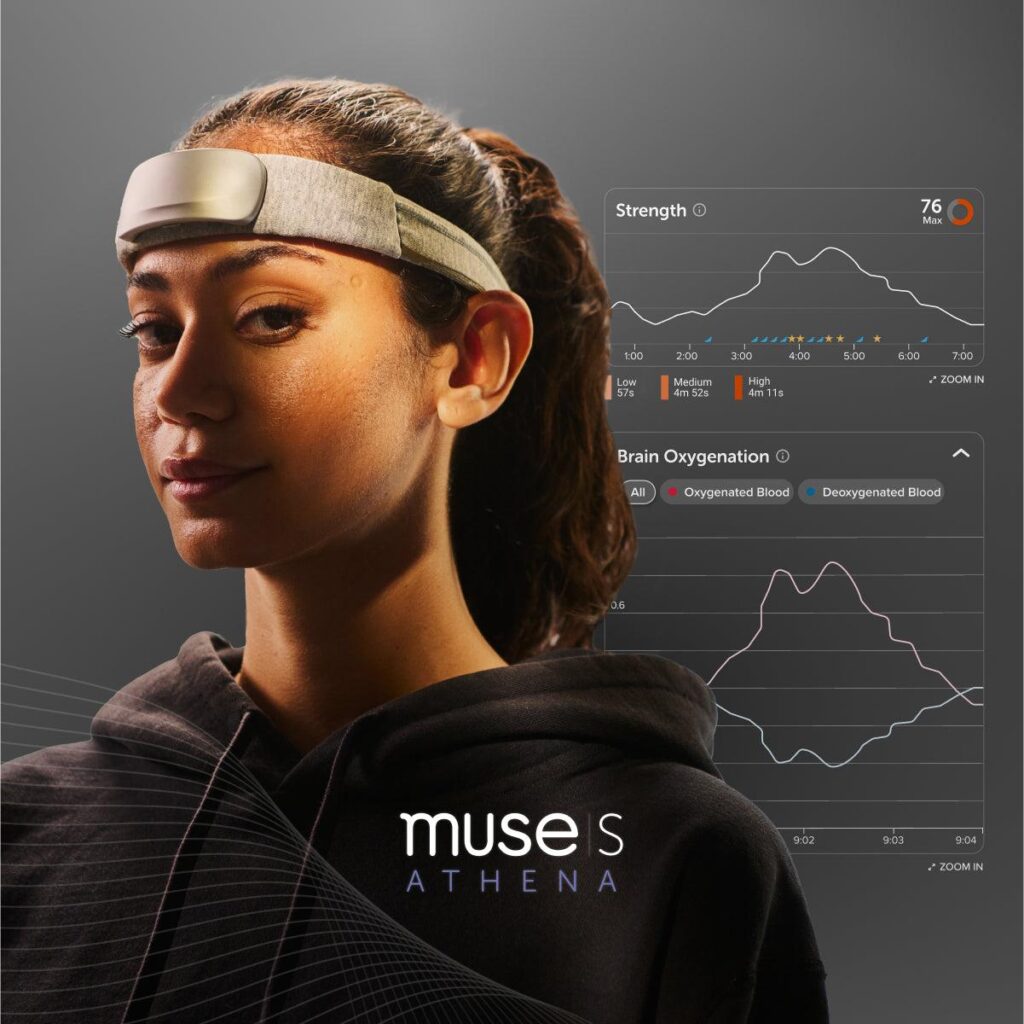
Its advanced model, the Muse S Athena, brings together brainwave monitoring, blood oxygenation sensing, meditation feedback, and sleep tracking.
But can technology genuinely help us meditate more effectively?
And what might it reveal about the fascinating relationship between the brain and consciousness?
Let’s explore.
Why Meditation Can Be Surprisingly Difficult
Meditation sounds wonderfully simple.
Find a quiet place. Sit comfortably. Close your eyes. Focus on your breathing.
Then something unexpected happens.
Your mind starts talking.
You remember an unfinished task. You wonder what to have for dinner. You recall an awkward conversation from three days ago.
Before you realize it, you’ve spent five minutes thinking about everything except your breathing.
This is perfectly normal.
Meditation isn’t necessarily about eliminating thoughts. In many forms of mindfulness meditation, the practice involves recognizing when attention has wandered and gently returning it to the present moment.
That simple act of noticing and returning is itself an important part of meditation.
But beginners often struggle because they have no clear indication of what’s happening.
This is where Muse introduces an interesting possibility.
What if technology could help you recognize when your mind has become distracted?
What Is the Muse S Athena?
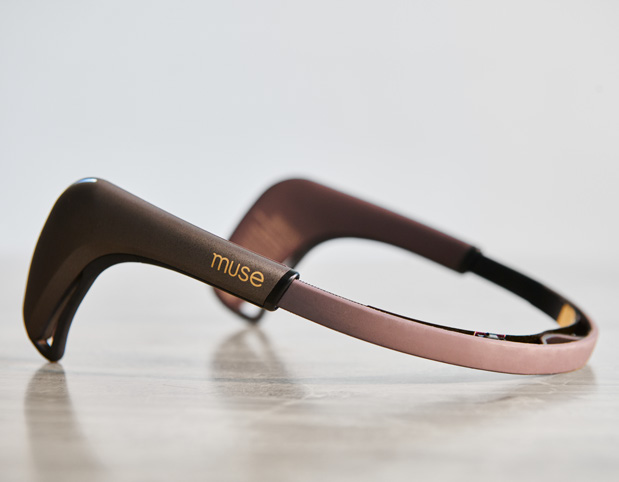
Muse S Athena is a wearable brain-sensing headband designed for meditation, mental training, and sleep monitoring.
Unlike ordinary fitness trackers that primarily measure physical activity, Muse includes sensors that detect electrical activity associated with the brain.
These measurements are interpreted by software that provides feedback during meditation and information about your sessions afterward.
The headband connects to the Muse smartphone app, allowing users to explore their meditation patterns and follow their progress over time.
Athena also incorporates additional technology for monitoring changes in blood oxygenation associated with brain activity.
The result is a fascinating combination of neuroscience and personal wellness technology.
Importantly, Muse doesn’t read your thoughts.
It cannot tell what you’re thinking about, identify your memories, or reveal your private mental experiences.
Instead, it measures physiological signals that can help characterize certain aspects of brain activity.
That distinction matters.
Understanding Brainwaves: The Science Behind Muse
Your brain contains billions of neurons communicating through complex electrical and chemical processes.
When groups of neurons become active in coordinated patterns, some of their electrical activity can be detected using a technique called electroencephalography, or EEG.
EEG has been used in scientific and medical research for decades.
Traditionally, recording brainwaves involved placing electrodes on the scalp and connecting them to specialized equipment.
Muse brings a simplified form of this technology into a wearable consumer device.
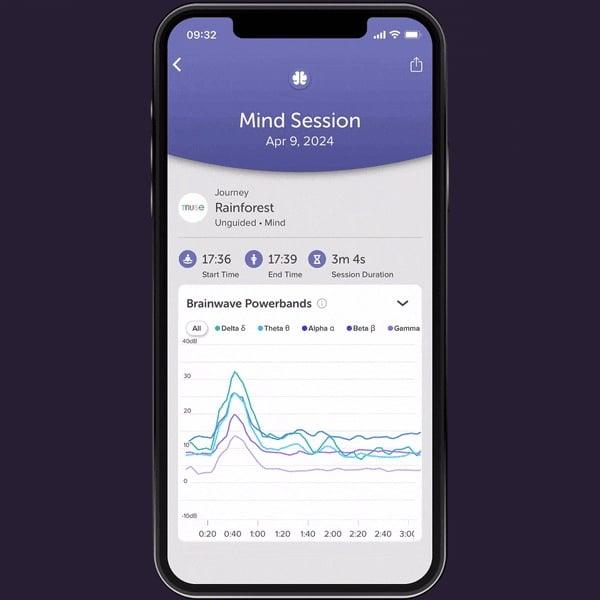
Scientists often describe brain activity in terms of frequency bands.
Delta waves are prominent during deep, non-REM sleep.
Theta waves are associated with several states, including drowsiness, memory processes, and some forms of meditation.
Alpha waves are often associated with relaxed wakefulness, particularly when the eyes are closed.
Beta waves are commonly present during active thinking and attention.
Gamma activity has been studied in connection with perception, attention, and other cognitive processes.
However, the relationship between brainwaves and mental states is complex.
No single frequency proves that someone is meditating successfully, experiencing spiritual awareness, or entering a particular state of consciousness.
Muse uses algorithms to interpret combinations of physiological signals and translate them into feedback that users can understand.
And that leads us to one of its most interesting features.
Imagine Hearing Your Mind Become Calm
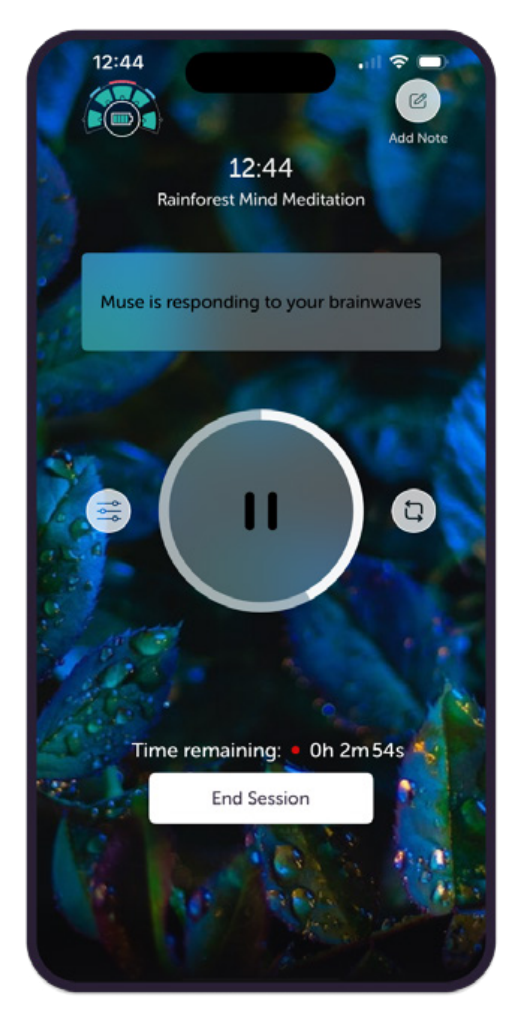
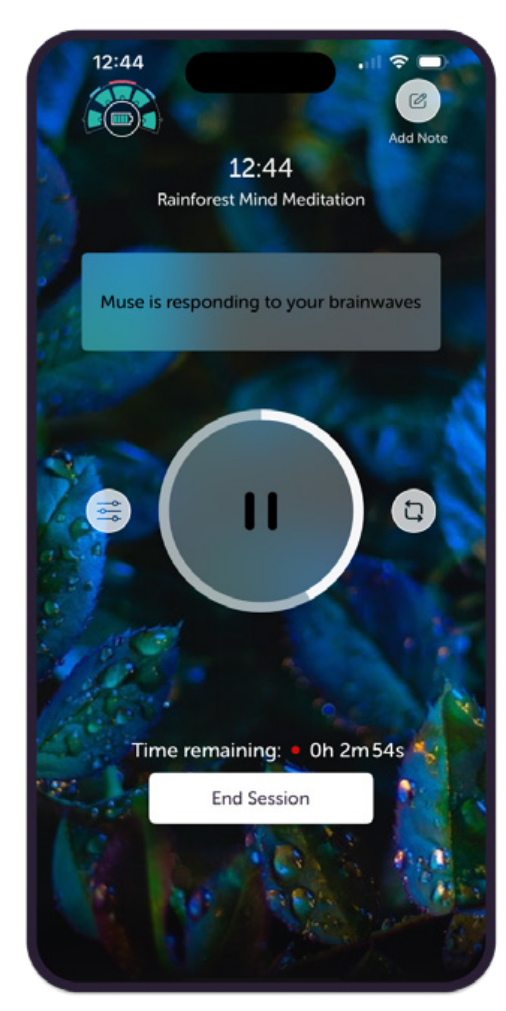
One of Muse’s signature features is real-time audio feedback.
Imagine beginning a meditation session while listening to the gentle sounds of a peaceful beach.
As you settle into the practice, the soundscape responds to patterns detected by the headband.
When the system identifies activity associated with a busier mental state, the waves may become louder.
When it identifies patterns associated with greater calm, the sounds become quieter.
Rather than opening your eyes to check a screen, you receive feedback through sound.
The idea is simple: become aware of changes, recognize when your attention has wandered, and gently return to your meditation.
This process is called neurofeedback, a specialized form of biofeedback.
Biofeedback uses measurements from the body to help people become more aware of physiological processes.
Neurofeedback focuses specifically on signals associated with brain activity.
For someone learning to meditate, this additional information may be useful.
Instead of wondering whether anything is happening, you have another way to explore your experience.
However, a quieter soundscape shouldn’t be mistaken for a definitive measurement of spiritual progress or meditation quality.
Meditation is much richer than any single physiological measurement.

What Makes Muse S Athena Different?
The Athena model introduces another fascinating technology called functional near-infrared spectroscopy, usually abbreviated to fNIRS.
While EEG measures electrical activity, fNIRS uses near-infrared light to detect changes in blood oxygenation within tissue.
When areas of the brain become more active, their oxygen requirements and blood-flow patterns can change.
By monitoring certain changes in oxygenated and deoxygenated blood, fNIRS can provide additional information about brain activity.
Athena combines these measurements with EEG to support its mental-training features.
Think of the two technologies as observing different aspects of the same complex system.
EEG provides information about electrical activity.
fNIRS provides information related to changes in blood oxygenation.
Neither technology can independently reveal everything happening in the brain.
But together, they offer complementary measurements.
For anyone interested in neuroscience, this is one of Athena’s most intriguing features.
Technology that once seemed confined to laboratories is becoming increasingly accessible to ordinary consumers.
Can Muse Help You Develop a Better Meditation Habit?
One of the greatest challenges in meditation isn’t understanding the technique.
It’s practising consistently.
Many people begin enthusiastically, meditate for several days, and gradually abandon the routine.
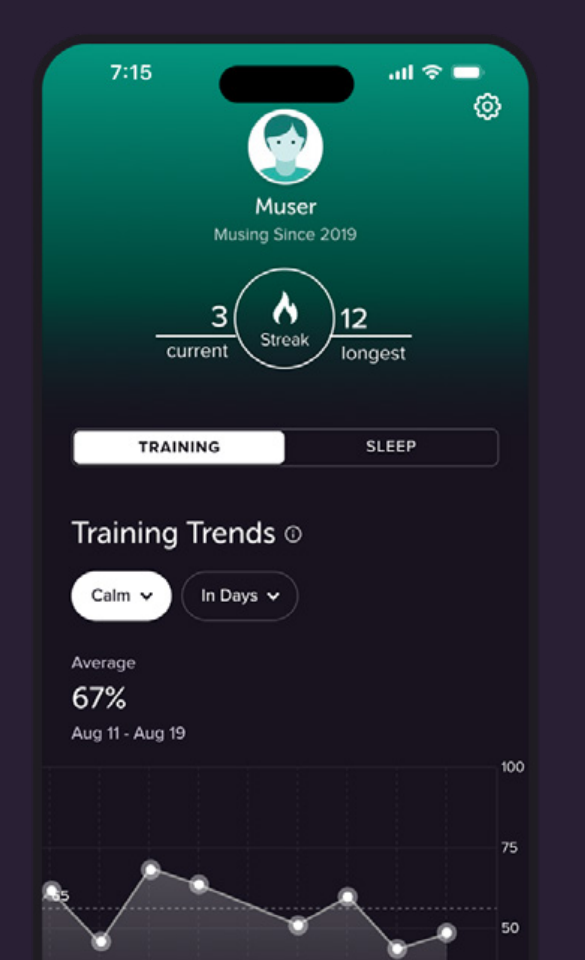
Muse attempts to address this problem through structured sessions, feedback, and progress tracking.
Depending on the session and available app features, users can explore information about their meditation activity and review patterns over time.
This may encourage consistency.
A beginner who feels uncertain about meditation might find feedback reassuring and motivating.
An experienced meditator might enjoy experimenting with different techniques and observing how physiological measurements vary.
But there’s an important qualification.
You don’t need a headband to meditate successfully.
People have practised meditation for thousands of years without electronics, smartphones, or brainwave measurements.
Muse is a tool, not a requirement.
Its value depends on whether its feedback helps you establish a practice that you find meaningful and sustainable.
Beyond Meditation: Understanding Your Sleep
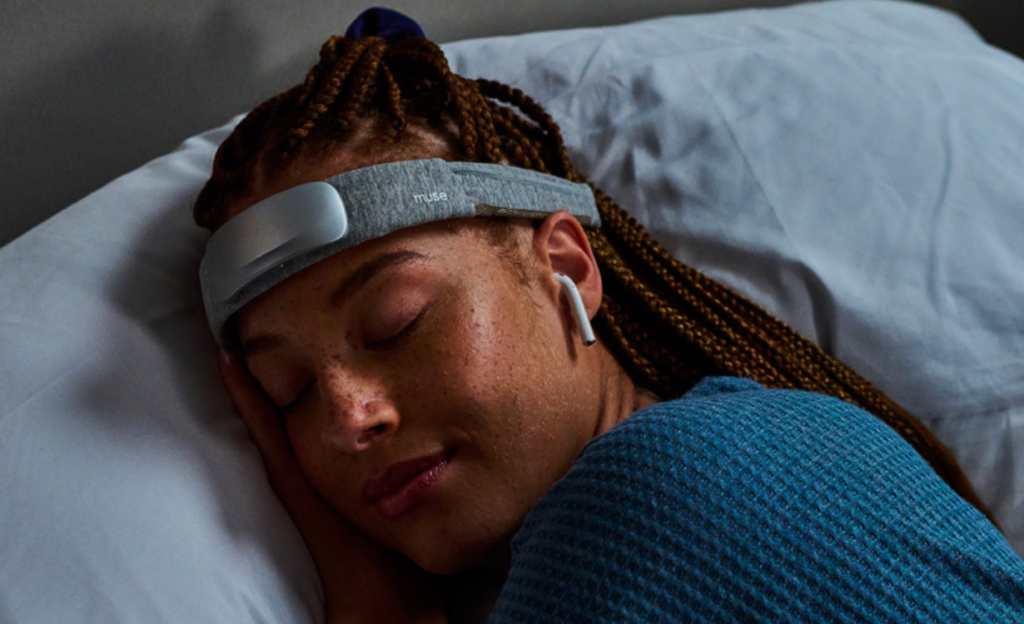
Meditation is only part of what Muse S Athena offers.
The headband is also designed for overnight sleep monitoring.
Sleep is particularly interesting because brain activity changes dramatically as we move through different sleep stages.
During a typical night, the brain cycles through periods of lighter sleep, deeper non-REM sleep, and REM sleep.
Muse uses EEG and other sensors to estimate sleep stages and provide information about sleeping patterns.
Athena also offers features designed to assist with falling asleep and supporting deep sleep.
For example, its Sleep Assist feature adjusts audio in response to detected changes associated with falling asleep or waking during the night.
Its Deep Sleep Boost feature uses carefully timed audio cues during detected slow-wave sleep.
The intention is to support sleep without requiring the user to consciously interact with the device.
These capabilities are interesting, although individual results can vary and consumer sleep measurements are not equivalent to a clinical sleep study.
Anyone experiencing persistent sleep difficulties should seek appropriate medical advice rather than relying exclusively on a wearable device.
Does Muse Require a Subscription?
This is an important consideration when evaluating the cost.
According to Muse’s published product information, the S Athena includes several useful capabilities without requiring an ongoing Premium subscription.
These include core EEG meditation feedback, sleep tracking, Sleep Assist, Deep Sleep Boost, and certain mental-training features.
An optional Premium subscription provides additional services, including expanded guided meditation content, advanced insights, and other software features.
Subscription pricing and available features may change, so it’s worth reviewing the current options before purchasing.
The important point is that the headband does not become useless without a Premium subscription.
Its core functionality remains available.

A Canadian Innovation Worth Celebrating
There’s another reason Muse caught our attention at Quantum Quirks.
It’s Canadian!
Muse was developed by InteraXon, a neuroscience technology company based in Toronto, Ontario.
The company’s work reflects a growing interest in making technologies associated with scientific research accessible to people outside specialized laboratories.
For Canadians, it’s encouraging to see homegrown innovation contributing to the international conversation about meditation, brain activity, and mental wellness.
But Muse’s appeal extends far beyond Canada.
Its technology addresses questions that interest people everywhere.
How can we improve our ability to focus?
Can we learn to recognize changes in our mental state?
What role can technology play in helping us develop healthier habits?
And perhaps most intriguingly, what can observing the brain teach us about ourselves?
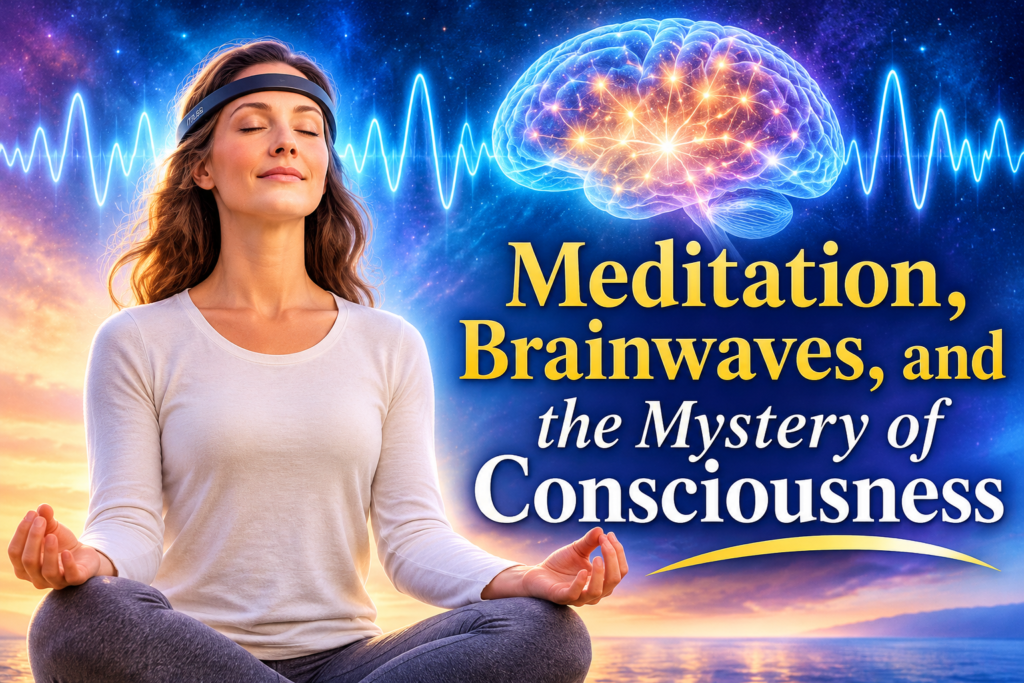
Meditation, Brainwaves, and the Mystery of Consciousness
At Quantum Quirks, our interests extend beyond relaxation techniques.
We’re fascinated by the relationship between science, spirituality, and consciousness.
This raises an intriguing philosophical question.
If we can measure changes in brain activity during meditation, are we measuring consciousness itself?
Not exactly.
EEG measures electrical activity associated with neural processes.
fNIRS measures changes in blood oxygenation.
Both provide valuable information about the functioning brain.
But neither directly measures the subjective experience of being conscious.
A scientist may observe changes in brain activity while someone meditates.
The meditator, meanwhile, may experience peace, heightened awareness, or a profound sense of connection.
The physiological measurements and the personal experience are related, but they aren’t identical descriptions of the same event.
This distinction is central to one of the greatest unresolved questions in science and philosophy.
How does the activity of the physical brain relate to subjective experience?
Muse doesn’t answer that question.
But it offers an accessible way to explore some of the measurable processes accompanying changes in attention, relaxation, and awareness.
For curious minds, that’s fascinating enough.
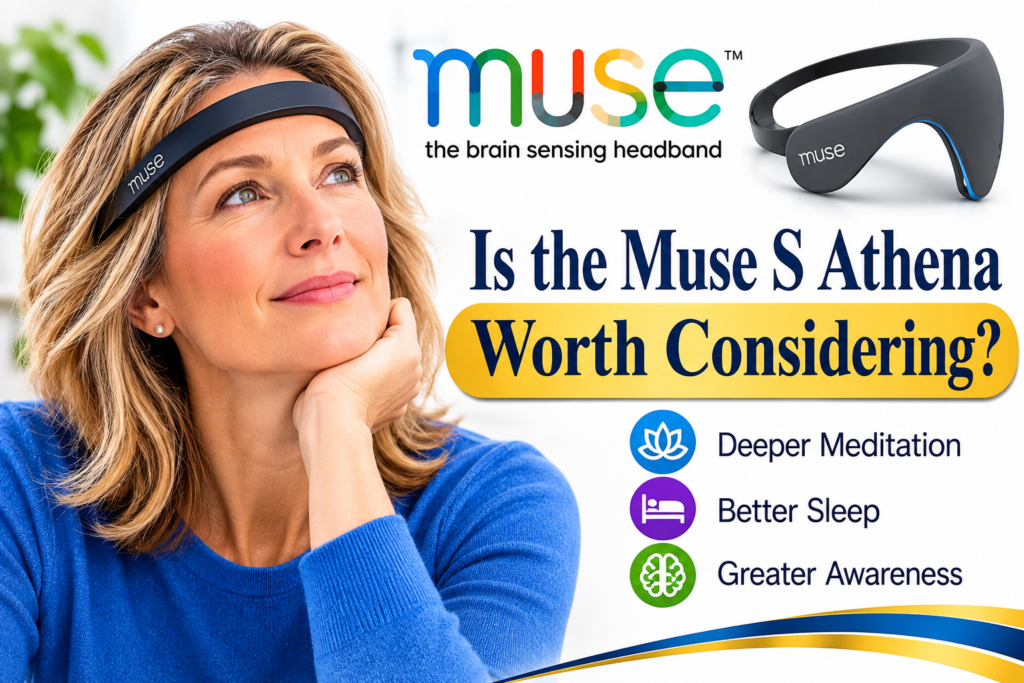
Is the Muse S Athena Worth Considering?
That depends on what you’re looking for.
If you’re already comfortable meditating without technological assistance, you may have little need for a brain-sensing headband.
If you’re simply looking for inexpensive guided meditation, numerous apps and free resources are available.
However, Muse S Athena may appeal to people who enjoy understanding how their bodies and brains respond to different activities.
It may be particularly interesting for those who:
- Struggle to maintain a consistent meditation practice.
- Appreciate real-time feedback while learning new skills.
- Enjoy exploring neuroscience and brainwave technology.
- Want to examine patterns in their sleep.
- Are curious about the relationship between attention, relaxation, and physiological activity.
Athena is a premium consumer device, and its price deserves consideration.
It’s also important to remember that technology cannot guarantee relaxation, better sleep, improved concentration, or any particular spiritual experience.
Its usefulness will depend on individual circumstances, expectations, and habits.
For the right person, however, Muse offers an unusual combination of practical meditation support and fascinating scientific technology.
Explore Muse — And Save 15%
If the idea of exploring your brain activity while meditating appeals to you, Muse is worth investigating.
You can learn more about the available headbands, compare their features, and decide whether one suits your interests and budget.
As an approved Muse partner, Quantum Quirks is pleased to offer visitors a special discount.
Save 15% on a Muse headband with discount code DOOMSTOCK.
Enter DOOMSTOCK at checkout to claim the advertised partner discount, subject to Muse’s current promotional terms.
Whether you’re beginning your meditation journey or exploring new ways to understand your mind, the meeting of neuroscience and meditation offers some remarkable possibilities.
And sometimes, the most interesting discoveries begin with a simple question:
What is happening in my brain when my mind becomes still?

Affiliate disclosure: Quantum Quirks participates in the Muse Partner Program. If you purchase through our affiliate link, we may earn a commission at no additional cost to you. This article is based on published product information and research; it is not a personal hands-on review.
Disclaimer: Muse is a consumer wellness product and should not be considered a substitute for professional medical diagnosis or treatment.