What Happens During a Near-Death Experience?
What is a Near Death Experience?
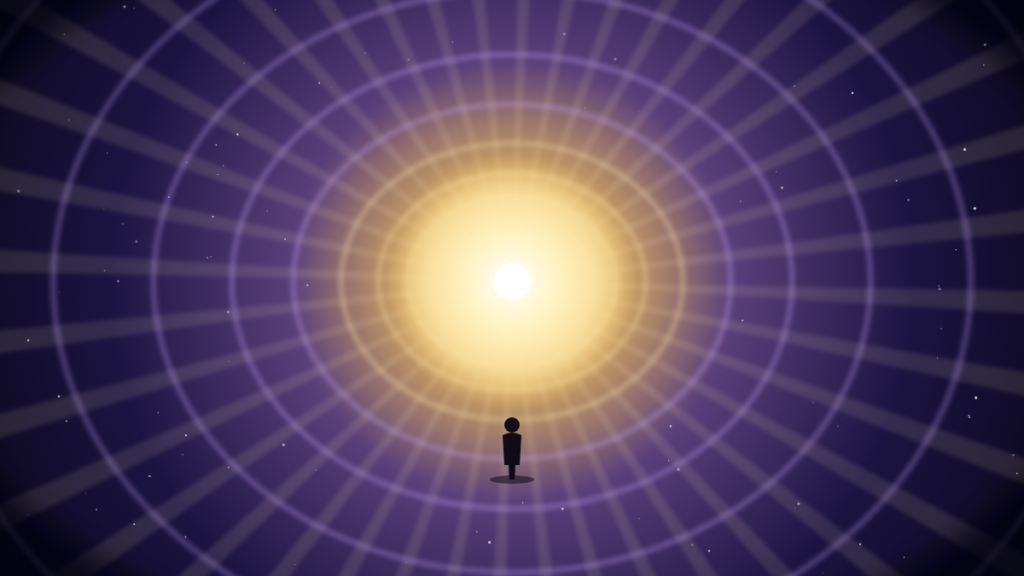
A near-death experience (NDE) is a vivid, often life-changing event reported by some people who come close to dying, most often after cardiac arrest. Common features include a sense of leaving the body, moving through a tunnel toward a light, deep peace, meeting deceased loved ones, and a review of one’s life.
How common are near-death experiences?
One of the most cited studies, led by Dutch cardiologist Pim van Lommel and published in The Lancet in 2001, followed 344 cardiac arrest survivors. About 18 percent reported an NDE, and 12 percent described a “core” experience.
Can the brain explain NDEs?
Many researchers believe it can, at least in part. Oxygen deprivation, unusual activity in the temporal lobes, and the brain’s response to extreme stress have all been proposed. Psychologist Susan Blackmore, who has studied NDEs for decades, argues they are products of a dying brain.
The picture isn’t settled, though. In 2023, Sam Parnia’s AWARE II study monitored hundreds of cardiac arrest patients and found organized brain activity in some of them during CPR. Notably, those weren’t the same patients who later reported NDEs, so the study doesn’t explain the experience itself.
What remains unexplained?
Researchers still can’t say why NDEs share so many features across cultures, or why people often describe them as “more real than real.” Most remain cautious about the most dramatic claims, such as accurate perception while unconscious, because they rest on a small number of cases that are hard to verify.
So, are near-death experiences real?
The experiences are real in the sense that people report them consistently and are often changed by them. What they mean is the open question: the last act of a dying brain, or a clue that consciousness is more than brain activity? The honest answer is that we don’t yet know, and that uncertainty is exactly what makes the question worth asking.
Curious to go further? The links above are a starting point for exploring consciousness, one question at a time.